

Sexual Abuse and Assault Injury Lawyers


Peoria County Juvenile Center Sexual Abuse Lawsuit
When vulnerable youths experience Peoria County Juvenile Center sexual abuse, it can have long-lasting effects on their physical, emotional, and psychological well-being. At Injury Lawyer Team, we recognize the importance of fighting for the rights of survivors who have suffered this type of harm at the Juvenile Detention Center in Peoria County.
Our compassionate and skilled legal team supports survivors in their search for justice and compensation and helps them navigate the legal process with confidence.
At Injury Lawyer Team, we understand the immense impact that abuse can have on survivors. Our Illinois juvenile detention center sexual abuse attorneys have a strong reputation for handling sexual abuse claims with utmost care and compassion. With a highly dedicated and experienced team, we can help you find justice and recover the compensation you deserve.
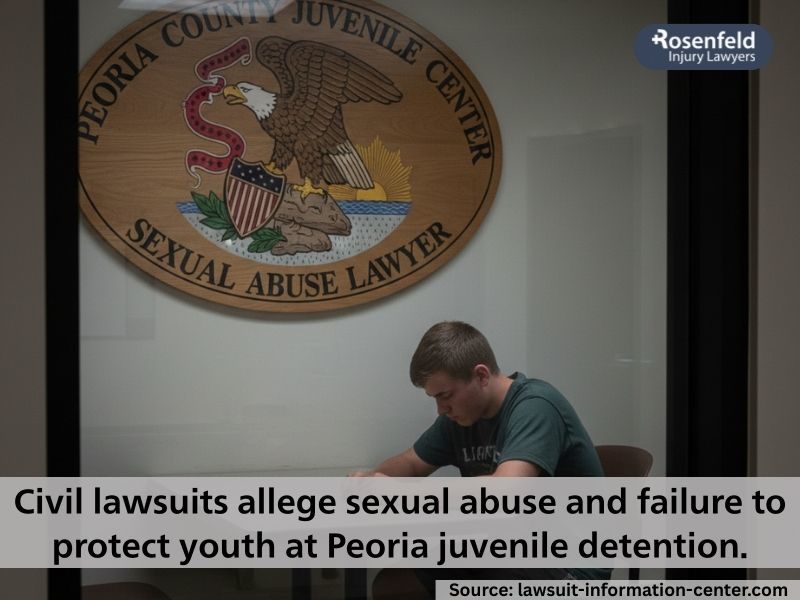
Understanding How Sexual Abuse Occurred at Peoria County Juvenile Detention Center
The Peoria County Juvenile Detention Center is meant to securely detain juveniles while focusing on rehabilitation. The facility claims to offer essential services, including educational opportunities, comprehensive healthcare, and spiritual guidance.
What Are Notable Childhood Sexual Abuse Cases in Illinois Youth Centers?
In these types of youth centers in Illinois, there have been many allegations regarding sexual victimization, including aggravated sexual abuse and assault, with individuals sometimes being charged with multiple felony counts of child sex abuse.
Multiple lawsuits have been filed by both women and men claiming they were sexually abused by authority figures within youth centers in Illinois during their time as residents. These serious accusations involve nine youth centers and include repeated assaults, with some accounts suggesting that silence was bought through sentence reductions or other minor compensation.
What Common Forms of Sexual Abuse Happen in Illinois Juvenile Detention Centers?
Within Illinois juvenile detention facilities, unlawful sexual acts and misconduct can manifest in various ways, posing significant challenges to the safety and security of detainees. Common forms of unlawful sexual contact include unwarranted sexual advances, coercion, sexual harassment, inappropriate searches, and sexual assault.
Perpetrators of misconduct of a sexual nature within these facilities can range from staff members, such as guards or counselors, to fellow detainees.
Sex abuse in detention facilities has far-reaching consequences that impact the lives of the residents involved. These facilities, designed to provide a safe and rehabilitative environment, unfortunately, become breeding grounds for vulnerability and abuse. This allows perpetrators to exploit the trust and power dynamics within the system, often leading to systemic sexual abuse.
Residents who experience sex abuse in juvenile detention facilities often suffer immediate physical consequences, including injuries, pain, and discomfort. These physical injuries can range from bruises and abrasions to more severe trauma.
The emotional and psychological toll of the abuse can be equally devastating and last long into adulthood, affecting their lives, education, and future career opportunities. Survivors may experience anxiety, depression, and post-traumatic stress disorder (PTSD). Additionally, for sexual abuse victims, people of authority may begin to seem very threatening and make them uneasy.
Who Is Eligible to File a Juvenile Detention Facility Sexual Abuse Civil Lawsuit?
If you or a loved one has suffered sexual abuse while in a juvenile detention center, you have the right to seek recourse through a civil lawsuit. Filing a lawsuit can help hold the perpetrator and the juvenile detention center accountable for their actions and potentially secure compensation for the harm endured.
Victims who are still minors can file lawsuits through parents or guardians, while adult survivors can file civil lawsuits on their own.
What Laws Govern Sexual Abuse Cases in Illinois Detention Centers?
Sexual abuse cases arising in detention centers are governed by a combination of Illinois laws and federal laws designed to protect children in custody, regulate juvenile facilities, and provide survivors with clear legal rights within the legal system. These laws recognize that when harm occurs in the juvenile justice system, it is rarely the result of isolated incidents and often stems from systemic negligence and failures to protect youth.
The Illinois Juvenile Court Act (705 ILCS 405) establishes the foundational principles of the juvenile justice system, emphasizing rehabilitation, safety, and the obligation to protect children placed in state or county custody. When a minor experiences sexual misconduct while detained, violations of this Act may support civil claims against Illinois facilities that failed to provide appropriate supervision or support services.
Under 730 ILCS 5/3-15-2, administrators of juvenile facilities have a statutory duty to ensure safe conditions, proper staffing, and protection from abuse, including abuse committed by staff or other detainees. Allowing unsafe conditions, misuse of solitary confinement, or a culture that pressures youth to stay quiet can expose facilities to legal action and new lawsuits brought by former residents.
The Abused and Neglected Child Reporting Act (325 ILCS 5) requires mandated reporters to notify authorities when they suspect a child has experienced abuse. Failures to report sexual misconduct may lead to criminal charges and serve as critical evidence in civil claims seeking to hold institutions accountable.
Finally, 42 U.S.C. § 1983 allows survivors to pursue justice in federal court when county officials or the Illinois Department of Juvenile Justice violate constitutional rights through deliberate indifference. These claims often rely on expert testimony to demonstrate systemic patterns rather than one-time failures.
Together, these laws provide stronger protections, allowing survivors to recover compensation, assert their legal rights, and demand accountability within the juvenile justice framework.
When it comes to filing a civil case for sex abuse, understanding time limits is essential. Recent legislative changes have eliminated the statute of limitations for civil child sexual abuse claims in Illinois. This means that childhood survivors generally can now file child sex abuse claims at any time.
It can be more difficult to discern a deadline for cases of abuse that occurred a long time ago, making it important to reach out to a sex abuse lawyer as soon as possible. We offer free consultations to assess your eligibility and explore your legal options.
How Our Peoria County Youth Detention Center Sexual Assault Lawyers Can Help
If you or a loved one has experienced sexual abuse crimes at the Juvenile Detention Center in Peoria County, our Illinois-based sexual assault lawyers are ready to assist you. We understand the immense challenges and emotional distress that survivors face, and we are committed to fighting for their rights and seeking justice.
With our extensive knowledge and experience in handling sex abuse cases, we will provide you with the guidance and support you need to navigate the legal process. Our dedicated team will work diligently to hold those responsible accountable and ensure that you receive the compensation and closure you deserve.
Your conversations with your youth detention center sexual abuse lawyer are protected by attorney-client privilege, so you never have to worry that we will share this sensitive and personal information with anyone unless you give us consent.
If you file a civil lawsuit against the perpetrator of childhood sexual misconduct or the institutions that allowed this behavior to occur, you could be entitled to various forms of compensation. This most often includes:
- Medical Expenses: Victims of juvenile detention sex abuse may be eligible for compensation to cover medical treatment related to physical injuries, examinations, therapy, and ongoing healthcare needs.
- Emotional Distress: Compensation can be sought for the emotional distress endured by child victims, including psychological trauma, anxiety, and post-traumatic stress disorder (PTSD).
- Punitive Damages: In cases where the responsible party’s conduct is deemed particularly malicious, victims may be awarded punitive damages. This is a way to punish the defendant and prevent future abuse.
Which Factors Are Considered in Determining Compensation?
Every case is different, and compensation will be determined on a case-by-case basis. However, the following factors generally play a significant role when determining appropriate settlement amounts or awards.
- Severity of Harm: The extent of the victim’s physical and emotional harm is a key factor in determining the compensation amount.
- Duration and Frequency: The duration and frequency of the abuse are considered when assessing the impact on the victim’s well-being, which informs the compensation amounts.
- Supporting Evidence: The strength and credibility of the evidence presented, such as medical records, therapy reports, and expert opinions, contribute to the amount of compensation awarded.
We understand that financial compensation won’t make up for what happened to you. However, you shouldn’t have to cover expenses caused by someone else’s egregious behavior.
There’s nothing simple about dealing with being sexually abused or initiating a sex abuse lawsuit. We understand that it’s difficult to step forward and ask for help, especially if the abuse occurred a long time ago. However, you never have to handle this situation on your own.
Contact Us for a Free Consultation
The team at Injury Lawyer Team is here to help you every step of the way. We want you to focus on healing while we handle all the legal aspects of the case. Call us or fill out our online contact form to book a free and confidential consultation with a sexual abuse attorney.
All content undergoes thorough legal review by experienced attorneys, including Jonathan Rosenfeld. With 25 years of experience in personal injury law and over 100 years of combined legal expertise within our team, we ensure that every article is legally accurate, compliant, and reflects current legal standards.