

Sexual Abuse and Assault Injury Lawyers


Youth Residential Treatment Facility Sexual Abuse Lawyer
If your child has experienced sexual abuse at a youth residential treatment facility, you need to know that you’re not alone, and there are steps you can take to seek justice. A youth residential treatment facility sexual abuse lawyer can help you seek compensation.
Injury Lawyer Team is here to support you through this difficult time and help you recover compensation. With years of experience in handling these cases, we approach each situation with care and determination to ensure your family’s rights are protected.
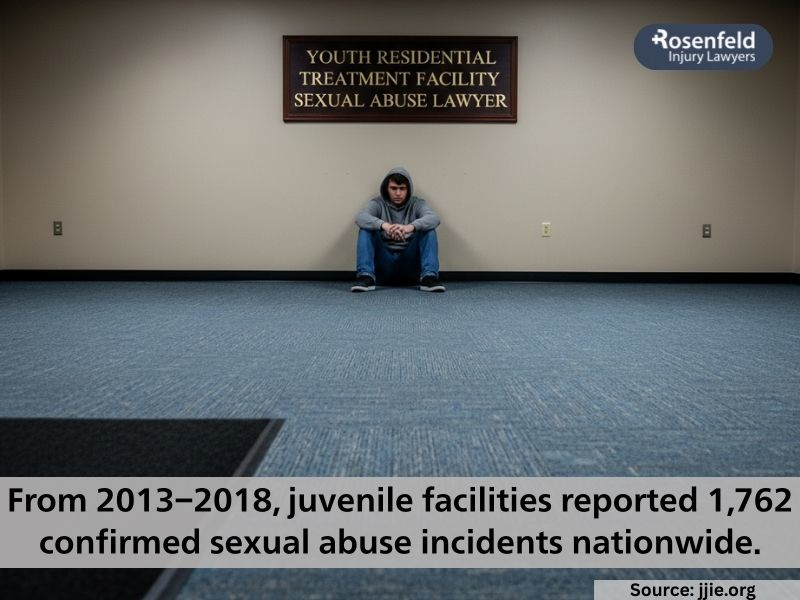
What Is a Youth Residential Treatment Facility?
A youth residential treatment facility is a specialized program designed to support children and adolescents who need structured care outside of a traditional home environment. These facilities provide a safe and supportive setting for young people who are dealing with a range of issues, such as mental health challenges, substance use issues, or behavioral problems.
Age Range of Residents
Youth residential treatment facilities typically serve individuals ages 6 to 18. This age range may vary by program and focus, but the underlying goal is to provide support to children and adolescents who require more intensive care than can be provided through outpatient services.
Youth residential treatment centers play a crucial role in helping young people develop coping strategies, build resilience, and improve their overall quality of life.
What are the Types of Residential Treatment Centers?
Residential treatment centers serve as crucial support systems for children and troubled youth. These facilities focus on various issues, such as substance use, mental illness, and behavioral problems.
Substance Abuse Treatment Centers
These treatment centers specialize in helping young people who are struggling with addiction. Specialized programs at these facilities often include individual therapy, group therapy, and family services to address the underlying causes of substance use and promote long-term recovery.
Mental Health Treatment Centers
Youth residential treatment centers focusing on mental illness treatment provide a safe environment for children dealing with mental illnesses like anxiety, depression, post-traumatic stress disorder, bipolar disorder, or personality disorders.
These centers offer comprehensive residential treatment, including sessions with mental health professionals, cognitive behavioral therapy, and support groups designed to equip residents with tools to manage their conditions.
Behavioral Treatment Programs
These residential treatment programs are for residents coping with severe behavioral issues, often stemming from emotional trauma or psychological damage. The program leaders work closely with children to change negative behavior patterns.
This type of residential treatment facility typically offers a structured schedule that includes therapy sessions, educational support, life skills training, and other family services to help children and troubled teens develop healthier habits and improve their behavior over time.
History of Abuse in Youth Residential Treatment Facilities
Numerous reports and legal actions mark the history of these cases in youth residential treatment facilities. Notable among these is the work of the U.S. Senate Finance Committee, which has conducted significant investigations into systemic problems. Over the years, several lawsuits and closures have resulted from investigations across the country.
Illinois
A critical investigation by the Department of Justice (DOJ) in 2013 revealed alarming levels of harm and assault within Illinois youth centers, making Illinois one of the most challenging states for juvenile protection. It was reported that 15% of the youth inmates were victims, which is significantly above the national average.
Among the most notable cases of abuse in Illinois residential treatment facilities, in 2024, a Senate investigation uncovered extensive maltreatment in facilities operated by entities such as Universal Health Services.
That same year, a significant lawsuit was filed against the Cook County Juvenile Detention Center on behalf of 193 survivors, documenting incidents from 1995 to 2022.
These systemic failures reflect broader patterns of manipulation and child endangerment also seen in Roblox grooming and exploitation lawsuits, where predators use positions of trust or digital access to exploit vulnerable minors.
Earlier, in 2019, legal actions brought attention to severe allegations at Chicago Lakeshore Hospital, leading the state to cease child placements at the facility.
Maryland
Among the most notable cases of abuse in Maryland residential treatment facilities are the February 2024 claims and the Good Shepherd lawsuits.
In February 2024, a lawsuit involving 63 plaintiffs revealed incidents spanning from 1969 to 2017 across 15 Maryland juvenile detention facilities. The allegations described staff using intimidation or rewards to silence victims, with reports being ignored by facility leaders.
Similarly, the Good Shepherd March 2024 lawsuits involved two separate cases filed by 39 plaintiffs against personnel from the now-defunct Good Shepherd Services youth program in Maryland.
The lawsuits alleged sexual mistreatment, sedation, and other forms of damage, with claims that staff, including religious figures, used threats and manipulation to maintain secrecy over time.
West Virginia
Several significant cases in West Virginia residential treatment facilities have come to light.
In 2014, a family filed a lawsuit against River Park Hospital after their son, a minor, was sexually assaulted by an older peer at Barboursville School. The lawsuit alleged that the hospital’s inadequate protective measures caused significant emotional distress for the boy due to their negligence.
That same year, the Potomac Center faced intense scrutiny when 24 children were removed from its Intensive Training Program amid allegations of physical and sexual abuse. Reports indicated that staff shared inappropriate images of the children on social media, and seven former staff members faced charges for failing to report the incidents.
New Jersey
Incidents in New Jersey residential treatment facilities have drawn considerable attention.
In 2024, two senior officers at the Female Secure Care and Intake Facility in Bordentown were implicated in the sexual assault of an 18-year-old inmate. The harm reportedly occurred under the guise of duty obligations, and both officers are currently facing charges of sexual assault and misconduct.
Similarly, in 2016, sexual misconduct charges were filed against a former art teacher at Daytop Village for inappropriate physical interactions with two male residents and for showing explicit photos.
Michigan
Among the most notable cases in Michigan residential treatment facilities, the Wolverine Secure Treatment Center has been the focus of multiple lawsuits, with over ten individuals alleging sexual abuse by staff at the facility, which Wolverine Human Services operates.
The Michigan Department of Health and Human Services uncovered ongoing issues, including mistreatment, inadequate therapy, patients being sexually assaulted, and insufficient staff screening. By 2021, reports highlighting severe physical and sexual abuse led to the facility’s closure following the state’s recommendation to revoke its license.
Another tragic case in Michigan involved Sequel Youth and Family Services, where in 2020, 16-year-old Cornelius Frederick died after being restrained by staff for throwing a sandwich. This incident underscores the extreme consequences of inadequate oversight and abusive practices in such facilities.
What are the Most Common Forms of Abuse in Youth Residential and Juvenile Detention Facilities?
It is crucial to understand the types of abuse that can occur in youth facilities to ensure the safety and well-being of all residents. While most facilities provide supportive environments, it is necessary to recognize and address potential issues that may arise, which can include:
Physical Abuse
Physical harm in youth residential facilities can include any intentional use of force resulting in bodily injury or harm. This may manifest through inappropriate restraint techniques or unchecked physical altercations between residents.
Psychological
Psychological abuse might involve actions or verbal statements that can damage a child’s emotional well-being. Examples in this context include intimidation, threats, or constant criticism.
Financial
This type can occur when a resident’s funds or personal belongings are misappropriated. This form may involve unauthorized use of funds meant for the resident’s care or education.
Sexual
Sexual abuse represents any unwanted or inappropriate sexual conduct. In residential settings, this can occur between residents or be perpetrated by authority figures.
If you suspect sexual abuse or have concerns regarding treatment in a youth residential facility, it is vital to seek professional legal advice.
What are the Signs of Child Sexual Abuse in Residential Facilities?
Understanding the signs of sexual abuse within youth residential treatment facilities is critical for ensuring the safety and well-being of vulnerable children. Recognizing these signs can help in taking timely action, seeking proper treatment, and initiating sexual abuse lawsuits to protect youth.
Behavioral Changes
- Withdrawal from activities and peers
- Sudden changes in behavior, including aggression or fear
- Sleep disturbances such as nightmares or insomnia
- Decline in academic performance or participation in treatment programs
- Increased anxiety, depression, or symptoms of PTSD
Physical Indicators
- Unexplained injuries or signs of physical abuse in sensitive areas
- Bruising, bleeding, or infections without a clear cause
- Frequent complaints of pain or discomfort
- Noticeable changes in appearance and/or poor hygiene
- Bedwetting or other regressive behaviors
If you suspect assault in a residential treatment center, it’s important to contact lawyers and obtain medical treatment for the affected youth.
Who Can Be Held Vicariously Liable for Residential Treatment Facility Sexual Abuse?
When addressing sexual abuse in residential programs, it is essential to identify all parties potentially responsible for the harm caused to victims. By understanding who has legal liability, victims can seek compensation and justice for the damage they have suffered. Some possible parties who can be held legally responsible include:
Facility Operators
Facility operators may face legal consequences if suspected abuse occurs under their watch. They are responsible for ensuring proper supervision, setting safety protocols, and maintaining an environment free from sexual predators. Negligent operating practices can lead to liability.
Staff Members
Staff members play a direct role in a child’s daily life in these facilities. If a staff member participates in sexual activity with a resident or fails to report suspected misconduct, they can be criminally charged. Additionally, a staff member who fails to take appropriate action when observing troubling changes in a child’s behavior can be held liable.
Administrators
Administrators can be held accountable for poor management and neglecting to provide necessary oversight. Administrators may face liability for failing to address significant evidence of physical injury or emotional abuse.
They can also be held accountable if the attack occurred due to poor practices, such as using physical restraints, ignoring signs, such as a patient having panic attacks around abusive staff, or creating unsafe conditions.
Grounds for liability usually include one of the following theories:
- Institutional Liability: The institution itself can be held liable if there is a systemic failure to prevent or address sexual and physical assaults and other common forms of abuse.
- Negligent Hiring: Facilities may face liability for negligent hiring practices that allow predators or unqualified staff members to be in positions of authority over youth. Background checks and ongoing performance evaluations are essential to minimize the risk.
- Failure to Monitor: Failure to adequately monitor interactions between a staff member and program participants can lead to harm. Ineffective management, compounded by neglect, can leave residents vulnerable to damage, and the facility may be liable for failing to provide adequate supervision.
If your child has experienced the negative consequences of sexual assault in a therapeutic boarding school or residential program, you may be entitled to financial compensation.
Our experienced team can help you hold multiple parties, including institutions, accountable so you can secure justice.
Who Can File Abuse Cases Against the Residential Program?
Typically, anyone directly affected, such as sexual abuse victims themselves, may pursue justice. Additionally, legal guardians or representatives of minors or incapacitated individuals have the right to file on behalf of those unable to do so themselves.
It’s essential to consult with an experienced attorney who specializes in these cases at residential programs. We can provide guidance on the legal process and help you build a solid case.
What Types of Damages Can be Recovered in Sexual Abuse Claims?
When pursuing a sexual abuse lawsuit, it’s important to understand the types of damages that survivors may be entitled to receive. These damages are intended to provide redress for the harm suffered and to support the survivor’s recovery.
Compensation for Medical Expenses
Survivors of sexual abuse at residential programs may incur various medical expenses, including costs for physical care and therapy. Claimants can seek compensation for these costs, which cover both past and future medical and psychological treatment necessary as a result of the abuse.
Emotional Distress
The emotional impact of sexual abuse can be profound and long-lasting. Legal claims may include compensation for the survivor’s emotional suffering. This aspect addresses the mental anguish, anxiety, and any resulting disorders.
Punitive Damages
Punitive damages may also be awarded. These are intended to punish the wrongdoer for egregious behavior and to deter similar conduct in the future. While not applicable in every case, their award sends a clear message that abuse will not be tolerated.
What Laws Govern Youth Residential Treatment Facility Sexual Abuse Cases?
Sexual abuse lawsuits involving youth residential programs are governed primarily by state civil law. These cases focus on whether a facility failed to protect minors in its care, ignored warning signs, hired or retained dangerous staff, or maintained policies that enabled abuse.
What are State Civil Liability Laws and Institutional Duties of Care?
Youth residential treatment facilities, including therapeutic boarding schools, behavioral health programs, and residential youth centers, owe minors a special duty of care under state law. Civil lawsuits commonly allege:
- Negligent hiring, supervision, or retention
- Failure to protect minors in custody from sexual assault
- Failure to follow statutory safety or staffing requirements
- Institutional negligence or gross negligence
These claims arise under general state tort law and are often strengthened by violations of state licensing or child welfare statutes.
For example:
- Illinois (duty of care and institutional negligence): Illinois law recognizes civil liability against institutions, including residential programs, that fail to protect minors in their care under common-law negligence principles and child-welfare statutes.
What About State Consent Laws and Custodial Incapacity?
In civil cases involving facilities, consent is usually irrelevant. Minors cannot consent to sexual activity with staff, caregivers, or authority figures. Many states also recognize that children in custodial or therapeutic settings are legally incapable of consent due to dependency and power imbalance.
For example:
- New York: New York civil and penal statutes recognize incapacity to consent where the victim is a minor or under custodial authority, principles that courts apply in civil abuse litigation.
In civil cases, this means defendants cannot rely on claims of apparent or alleged consent as a defense. However, this does depend on the consent laws in the state where the sexual assault happened. Victims of child sexual abuse should work with an attorney to learn more about the consent laws in their state.
What is the Statute of Limitations for Sexual Abuse Claims?
The civil statute of limitations is often the most important legal issue in youth residential program cases. Many states have extended deadlines or enacted revival windows, recognizing that institutional abuse is usually disclosed years later.
Examples include:
- California (childhood sexual assault civil statute): California Code of Civil Procedure § 340.1 allows delayed discovery and revival periods for claims against individuals and institutions.
- Illinois (childhood sexual abuse): 735 ILCS 5/13-202.2 permits extended filing deadlines for those seeking justice upon discovery of an abuse-related injury.
- New York (Child Victims Act): CPLR § 214-g created a civil lookback window that allows claims against institutions, regardless of when the abuse occurred.
These statutes are especially relevant for residential program cases, where staff turnover, closed facilities, or sealed records may conceal abuse. Victims may not realize that the damages are due to being sexually assaulted if they have repressed memories. Experienced attorneys can help you learn more about what your state’s statute of limitations is.
What Laws Govern Cases of Negligence?
Most states regulate youth residential treatment facilities through licensing laws that govern:
- Staff background checks
- Staff-to-child ratios
- Abuse prevention and reporting policies
- Incident documentation and oversight
Violations of these statutes can serve as powerful evidence of negligence in civil litigation.
Examples include:
- Texas (residential child care regulation):
Texas Human Resources Code Chapter 42 regulates residential child care facilities and sets minimum standards relevant to civil liability. - Florida (residential child care agencies):
Florida Statutes § 409.175 governs licensure and operational requirements for residential child-caring agencies.
Laws regarding sexual abuse claims tend to vary depending on the state. If you’ve been sexually assaulted, it’s important to work with an experienced attorney to file a civil lawsuit.
What Should You Do If You Have Been Sexually Abused at a Residential Treatment Center?
If you or someone you know has been sexually abused at a residential program, taking appropriate action is important. The steps below guide victims and their families on handling abuse situations in youth residential programs.
Report the Incident
The first step is to report the abuse to the authorities. This includes contacting local law enforcement to file criminal charges against the staff member, other residents, or other involved parties.
Seek Medical Treatment
Victims should seek immediate medical treatment following any physical or sexual assault. This not only addresses urgent health needs but also creates an official record of injuries sustained.
Consult Mental Health Professionals
The psychological harm from such abuse can be severe. It is crucial to consult a counselor for ongoing support, therapy, and recovery strategies.
Preserve Evidence
Preserving evidence is critical for building a strong case. This includes documenting any physical injuries by taking photographs and keeping copies of medical records. Records of any psychological harm, such as notes from a mental health professional, should also be retained.
Consult Legal Counsel
Contacting an attorney experienced in handling cases of abuse at youth facilities can provide vital support. Legal experts can help survivors understand their rights and explore compensation options through civil suits.
How Can a Sexual Abuse Lawyer Help?
Choosing to take action after experiencing abuse is a brave step. Engaging with a skilled lawyer can simplify this journey, providing clear guidance and support. Here’s how we can help.
Understanding Your Rights
A sexual abuse attorney will explain the legal rights available to survivors. We ensure you understand the protections available under the law and how they apply to your situation.
Building Your Case
With a lawyer by your side, you’ll gather strong evidence and document your experiences thoroughly. We leverage our experience and expertise to identify key information and present a compelling case that accurately reflects your experiences.
Seeking Compensation
Your lawyer will help identify all potential channels for monetary compensation. This typically includes civil lawsuits against individuals or organizations responsible for the abuse.
Providing Ongoing Support
A sexual abuse attorney also acts as a supportive guide throughout the legal process. We clarify each step to prevent you from being overwhelmed and to ensure you remain informed and involved. By working closely with you, we try to make this experience as straightforward as possible.
Taking legal action against abuse can be difficult. Still, with a skilled attorney from Injury Lawyer Team by your side, you have the best chance of achieving justice and receiving the necessary compensation. Thanks to our expertise and support, you can focus on healing and moving forward with your life.
Call or complete our online contact form to schedule your consultation with our Chicago sexual assault attorneys.
All content undergoes thorough legal review by experienced attorneys, including Jonathan Rosenfeld. With 25 years of experience in personal injury law and over 100 years of combined legal expertise within our team, we ensure th